
Published on
|
2 min read

The early signs of hearing difficulty are easy to overlook; subtle changes can develop gradually and may go unnoticed until they begin to affect everyday conversations and connections.
For Susan, one moment made those changes harder to ignore. When she leaned in to listen to her grandson and struggled to hear his soft-spoken voice, she realized her hearing was affecting an experience that mattered deeply to her.
"I found myself trying to guess what people were saying, often embarrassing myself with completely off-the-wall answers," she admitted.
She had also begun finding herself in a constant guessing game during conversations, trying to piece together what people were saying.
Experiences like Susan’s are a reminder that changes in hearing affect more than what you hear; they can also shape how comfortably you participate in conversations and stay connected with the people around you.
With National Protect Your Hearing Month observed each October, this is a timely opportunity to pay closer attention to your hearing and consider whether an evaluation may be right for you.
Breaking Through the Hesitation: Putting Self-Doubt Behind
Before Susan ever stepped into our Osseo hearing clinic, she faced a hurdle that keeps so many people from seeking help.
"My biggest concern before contacting the clinic was vanity; I worried about people seeing the hearing aid," she shared.
Concerns about appearance are understandable, particularly when hearing aids may feel like a visible reminder of a change you are not quite ready to acknowledge. For some people, that concern can become a reason to postpone an evaluation or put off considering hearing support.
The good news is that technology has evolved considerably, with a range of discreet hearing aids designed to fit comfortably into different lifestyles. Exploring those options can help you understand what is available and decide what feels right for you.
A Welcoming Experience: More Than a Clinic
When you think of a medical appointment, “fun” may not be the first word that comes to mind. For Susan, however, it was one of the first impressions she had of our staff.
“They were very fun!” she enthused. "My favorite thing about the clinic is how they treat you like family."
Feeling comfortable in a healthcare setting can make it easier to talk openly about your concerns and ask the questions that come to mind. Susan says that sense of comfort was an important part of her experience, especially in the way the team made her feel.
A personal connection with your provider can make a huge difference when hearing care becomes part of your ongoing health routine.
Living Out Loud: The Immediate Impact of Care
For Susan, professionally fitted hearing aids made a meaningful difference in her everyday life. Conversations became easier to follow, and she no longer had to work as hard to piece together what others were saying.
“Hearing aids have made a huge difference; I can HEAR!”
Her enhanced hearing extended to the moments that mattered most, from hearing her grandson’s quiet voice to participating more comfortably in group conversations.
Susan’s experience illustrates the role personalized hearing care can play in everyday life. Addressing hearing difficulties will make it easier to participate in discussions, enjoy time with loved ones, and stay connected to the people and activities that matter to you.
Your Turn to Take the First Step For Your Hearing Health
Susan’s story reflects what can happen when you take the first step toward understanding your hearing.
Her message to anyone who may be putting off an evaluation is simple: “Go, you won’t be sorry.”
If you notice yourself asking people to repeat themselves, struggling to follow conversations, or missing sounds you once heard easily, a hearing evaluation can help you better understand what you are experiencing.
If you would like to learn more about your hearing health, contact our team at Hearing Health Clinic to schedule an appointment and discuss your concerns with a hearing care professional.
Frequently Asked Questions (FAQs)
Q: Are over-the-counter hearing aids a good option?
A: Over-the-counter (OTC) hearing aids can be a convenient option for some people, but they don't replace the value of professional hearing care.
A hearing health expert can perform a comprehensive hearing evaluation, help you understand your hearing profile, and guide you in selecting and fitting hearing technology based on your individual needs. Professional support can also help address questions about comfort and how well your devices are working in everyday situations.
Similarly, ongoing support gives you an opportunity to discuss changes and adjust your care as your hearing needs evolve.
Q: Does everyone with hearing challenges need hearing aids?
A: Not necessarily. The most appropriate recommendation depends on the cause and degree of your hearing difficulties as well as your individual goals.
Your next step may involve monitoring, treating an issue such as excess earwax, using communication strategies, or considering hearing aids or other technology.
Q: How often should I have my hearing checked?
A: How often you should have your hearing checked depends on factors such as your age, previous hearing concerns, exposure to loud noise, and the results of earlier evaluations.
An initial assessment can establish a baseline for comparison, while periodic checkups can help identify changes as they develop. If you experience a sudden shift in hearing, notice that one ear sounds different from the other, or develop symptoms such as tinnitus, it's important to seek an evaluation rather than waiting for your next routine appointment.
Source:
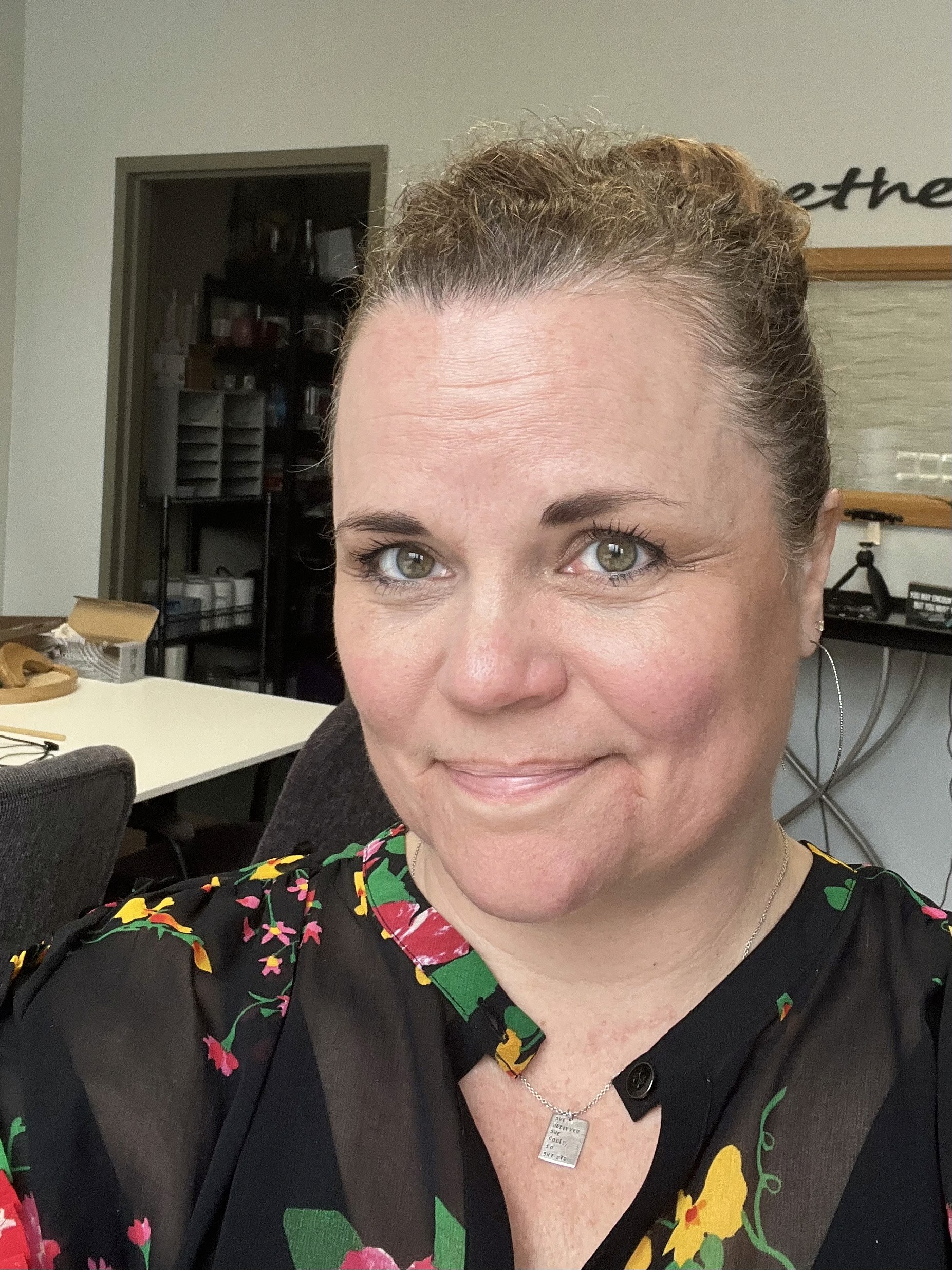
Dr. Heidi Hill, Au.D
Heidi Hill, Au.D. is an audiologist and Cognihear expert providing hearing aids, hearing tests, specializing in concussions, tinnitus, and auditory processing issues for patients located in Osseo, MN.
Popular Blogs
2min Read
How Susan Regained Her Spark and Reconnected with Family
By Dr, Heidi Hill

2min Read
WHO Guidelines Link Hearing Health and Dementia Risk
By Dr, Heidi Hill

2min Read
How Bryan Reclaimed the Sounds He Didn't Know He Was Missing
By Dr, Heidi Hill

2min Read
"Get There as Soon as You Can": How Colleen Reclaimed Her Hearing (and Her Life)
By Dr, Heidi Hill
Search
Request a Callback
Looking for trusted, local support? Our specialists in Osseo, are here to help. Fill out the form to connect with our team and take the next step toward better hearing health!