
Published on
|
2 min read

It’s a familiar experience for many people: you’re at a family dinner, trying to keep up with the conversation, but the high-pitched voices of your grandkids seem to blend into the background noise. Or perhaps you leave a gathering with friends feeling exhausted, realizing you’ve spent more energy trying to hear than actually connecting.
For years, we’ve understood that hearing loss challenges can make communication more difficult and may contribute to social withdrawal. Now, the World Health Organization (WHO) has recognized hearing difficulties as a modifiable risk factor in its updated dementia risk-reduction guidelines.
As we mark World Alzheimer’s Month this September, this guidance reinforces an important message: taking care of your hearing is part of a proactive approach to maintaining your overall cognitive health.
The Brain-Hearing Connection: Why It Matters More Than We Thought
Think of your brain as a command center with a limited amount of energy. When your hearing is clear, your brain processes sounds effortlessly. However, when hearing challenges are present your brain has to work harder than usual; this extra effort is known as increased cognitive load.
Over time, this can leave you feeling mentally drained after conversations and may gradually lead to less interaction and fewer opportunities for meaningful connection. In turn, reduced social engagement can contribute to social isolation, which is itself associated with an increased risk of cognitive decline.
What the WHO’s Updated Guidelines Say
The updated guidelines recognize hearing aids as an intervention that may be offered as part of a broader strategy to reduce the risk of cognitive decline and dementia.
This gives you a practical reason to be proactive about your hearing health. While no single intervention can prevent dementia, identifying and addressing hearing difficulties is one step you can take to protect your social relationships and overall well-being as you age.
A functional hearing evaluation can help you understand your current hearing health and determine whether any further support could be beneficial.
Taking the Next Step with Hearing Health Clinic
It’s completely normal to feel apprehensive about having your hearing assessed, but a hearing evaluation is a simple and noninvasive process. It provides an opportunity to better understand your hearing and how any difficulties may be affecting your everyday life.
Based on your results, our hearing professionals can identify the nature and extent of any hearing difficulties you are experiencing and determine what type of support, if any, may be appropriate. Whether you need ongoing monitoring, practical advice, or hearing technology, the right approach will be tailored to your individual needs and goals.
If you’re concerned about your hearing or simply want to understand your options, contact our team at Hearing Health Clinic to book an appointment or request a callback.
Frequently Asked Questions (FAQs)
Q: Do hearing loss challenges cause dementia?
A: Research has found an association between hearing challenges and a higher risk of cognitive decline, but this doesn't mean that hearing difficulties cause Alzheimer’s disease or that everyone with hearing difficulties will develop dementia.
Hearing loss challenges can make listening more mentally demanding and may make it harder to stay socially connected, both of which are important considerations when thinking about cognitive health.
Q: Is it too late to do anything if I’ve had hearing difficulties for years?
A: Not at all. The brain is remarkably adaptable, and while starting sooner is always better, seeking help at any stage is beneficial.
Restoring clear sound input to the brain can help improve brain function at any age, and many patients who have struggled for years are surprised by how much easier listening becomes once they receive proper care.
Q: What are some early signs that suggest I should get a hearing assessment?
A: Look for signs like having to ask people to repeat themselves, turning up the TV volume, or feeling worn out after social gatherings. You may also notice some voices sound muffled or unclear, particularly in busy environments where there is a lot of background noise.
Other subtle signs include needing to concentrate harder to follow conversations, relying more on context to fill in missed words, or avoiding situations where hearing feels difficult.
A hearing evaluation can show whether hearing changes are contributing to these issues and give you a clearer understanding of your current hearing health.
Sources:
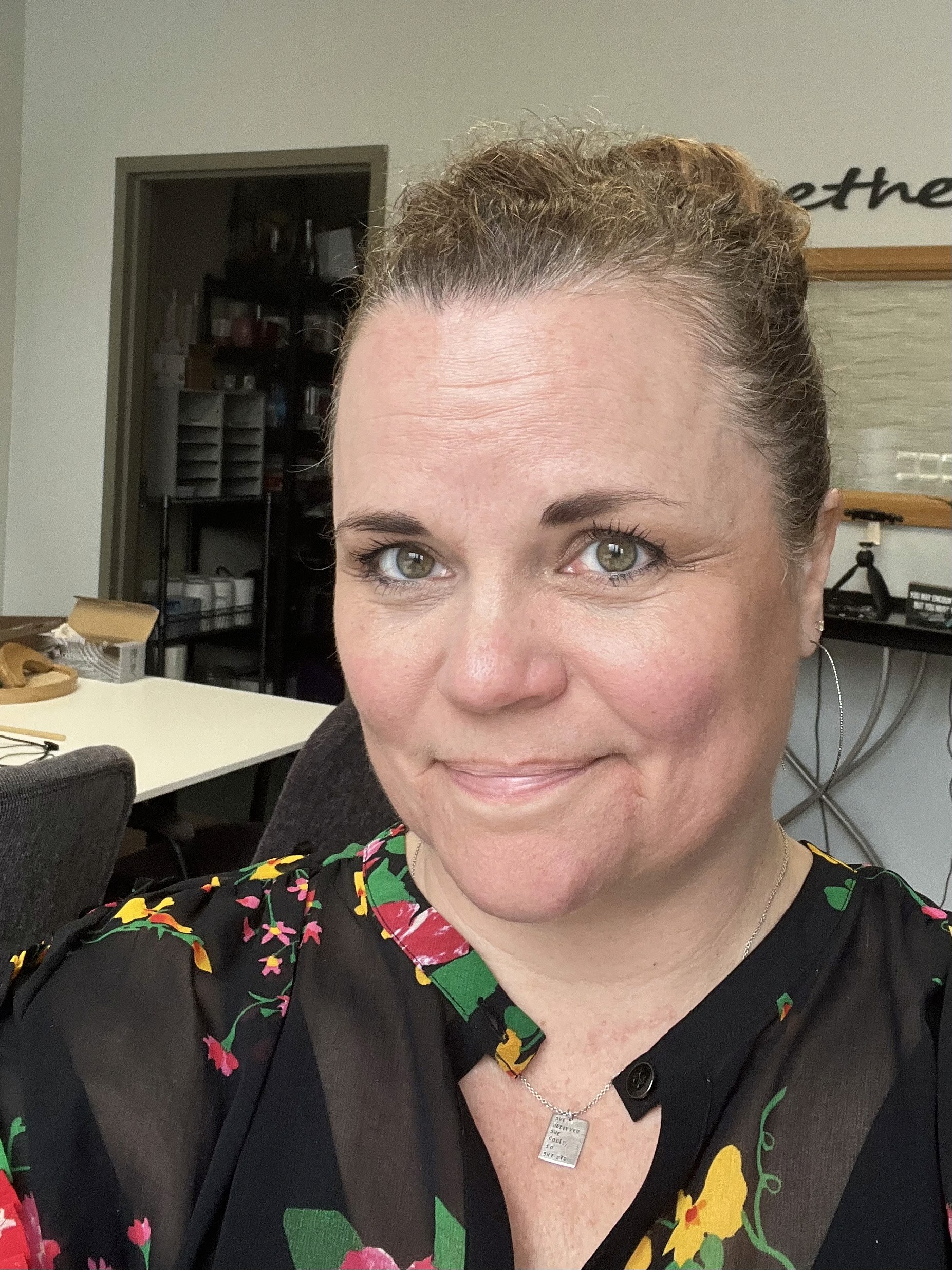
Dr. Heidi Hill, Au.D
Heidi Hill, Au.D. is an audiologist and Cognihear expert providing hearing aids, hearing tests, specializing in concussions, tinnitus, and auditory processing issues for patients located in Osseo, MN.
Popular Blogs

2min Read
How Susan Regained Her Spark and Reconnected with Family
By Dr, Heidi Hill
2min Read
WHO Guidelines Link Hearing Health and Dementia Risk
By Dr, Heidi Hill

2min Read
How Bryan Reclaimed the Sounds He Didn't Know He Was Missing
By Dr, Heidi Hill

2min Read
"Get There as Soon as You Can": How Colleen Reclaimed Her Hearing (and Her Life)
By Dr, Heidi Hill
Search
Request a Callback
Looking for trusted, local support? Our specialists in Osseo, are here to help. Fill out the form to connect with our team and take the next step toward better hearing health!